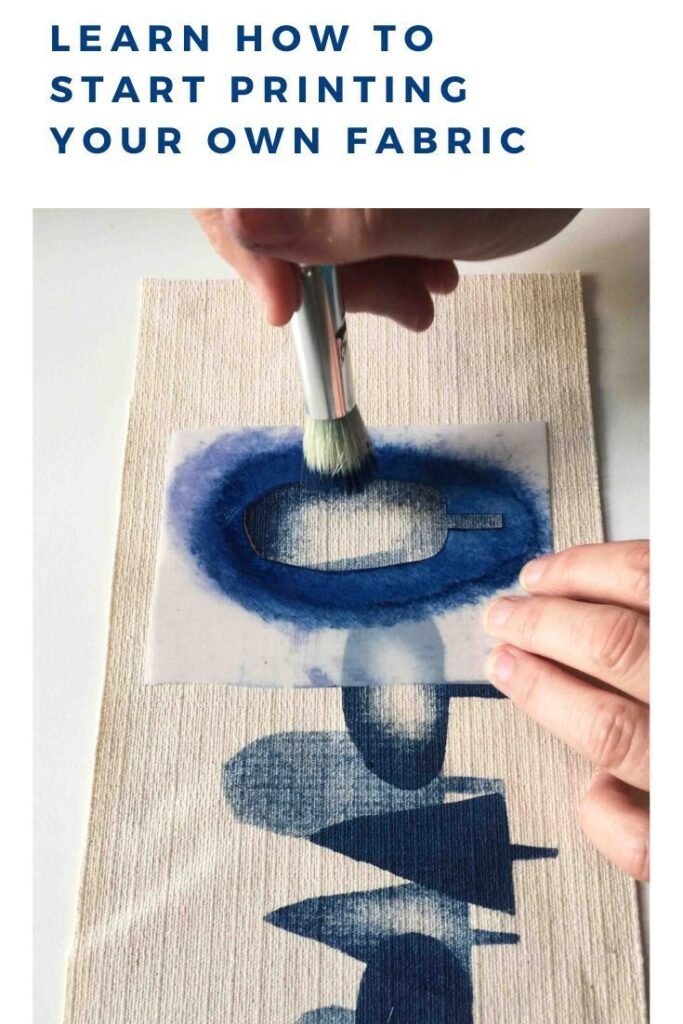
What is Fabrication?
Fabrication is a fundamental process in manufacturing and construction that involves creating products from raw materials. It encompasses various steps, including cutting, bending, assembling, and welding. Understanding what fabrication means is crucial for industries that rely on precise material manipulation to produce intricate components.
The Importance of Fabrication in Industries
In today’s fast-paced industrial environment, fabrication plays a pivotal role in sectors such as construction, automotive, and aerospace. For instance, buildings are fabricated using steel structures that require meticulous planning and execution. Similarly, automotive parts are fabricated to meet stringent quality standards essential for safety and performance. Thus, fabrication not only influences production efficiency but also the overall quality of finished goods.

Common Fabrication Techniques
There are numerous techniques employed in fabrication, each varying based on the materials involved and the desired outcome. Common methods include laser cutting, plasma cutting, and machining. Each technique offers unique advantages, such as precision and versatility. While exploring the field of fabrication, it is essential to consider the specific requirements of a project to determine the most suitable technique.
In conclusion, fabrication is more than just a manufacturing term; it is an essential process that serves as the backbone of many industries. By understanding the processes and techniques involved, professionals can ensure higher quality production and innovation in their respective fields.